Stoxeri Trade Smarter. Invest with Conviction.

Stoxeri

Trade Smarter. Invest with Conviction.

Latest Articles

Reading Between the Lines: How Retail Investors Can Mine Public Data for Institutional-Grade Insight
Trading Strategy

Reading Between the Lines: How Retail Investors Can Mine Public Data for Institutional-Grade Insight

The gap between what institutional traders know and what retail investors act on is rarely a matter of secrets — it is almost always a matter of effort. A structured approach to publicly available data can close that gap significantly, giving disciplined retail traders a meaningful analytical edge before the market reacts.

The Confidence Trap: How Peak Conviction Becomes the Setup for Your Worst Trades
Investor Psychology

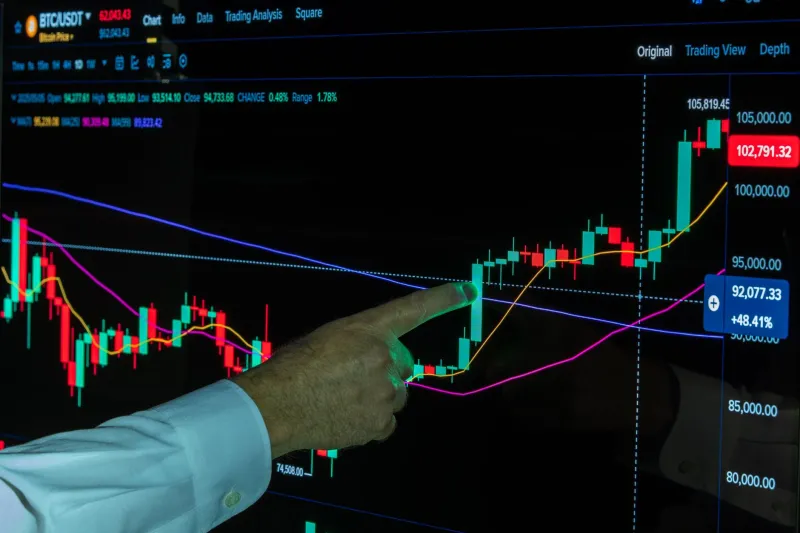
The Confidence Trap: How Peak Conviction Becomes the Setup for Your Worst Trades

Research in behavioral finance consistently reveals a troubling inversion: the stronger a retail trader's conviction, the more likely that certainty is built on bias rather than edge. Understanding why maximum confidence and maximum risk frequently coincide is among the most valuable — and least discussed — skills in active investing.

Patience as a Trap: When Long-Term Holding Masks a Failing Position
Investor Psychology

Patience as a Trap: When Long-Term Holding Masks a Failing Position

Retail investors frequently reframe poor entry decisions as long-term conviction, mistaking duration for strategy. This article examines the psychological mechanisms that convert timing errors into indefinite holding periods — and the measurable cost that accumulates when patience substitutes for discipline.

Late to the Party, First to the Loss: The Hidden Danger of Chasing Stocks That Have Already Moved
Investor Psychology

Late to the Party, First to the Loss: The Hidden Danger of Chasing Stocks That Have Already Moved

Every seasoned trader has watched a stock double on their watchlist, hesitated, and then bought it just in time to experience the reversal. The psychology driving that decision is not a character flaw — it is a deeply wired cognitive pattern that markets are structurally designed to exploit. Understanding why momentum-chasing feels rational even as it destroys capital is the first step toward breaking the cycle.

Before the Bell Rings: Building a Legal Pre-Earnings Intelligence Framework From Public Data
Trading Strategy

Before the Bell Rings: Building a Legal Pre-Earnings Intelligence Framework From Public Data

Professional traders do not wait for earnings announcements to form their convictions—they construct intelligence systems from publicly available data weeks in advance. This article examines the specific channels institutional investors monitor before consensus shifts, and explains how retail traders can build a comparable lead indicator framework without crossing any legal boundaries.

What the Smile Knows: Reading Implied Volatility Skew Before the Chart Moves
Trading Strategy

What the Smile Knows: Reading Implied Volatility Skew Before the Chart Moves

Stock charts show you where a price has been. Options pricing, particularly the shape of implied volatility across strike prices, often reveals where institutional money expects it to go. For traders willing to look beyond technical patterns, volatility skew offers a forward-looking intelligence system that most retail participants never learn to read.

Diversification's Dirty Secret: How Crisis Markets Erase the Boundaries Between Asset Classes
Trading Strategy

Diversification's Dirty Secret: How Crisis Markets Erase the Boundaries Between Asset Classes

The portfolio that looks balanced in calm conditions can behave like a single concentrated bet when volatility surges. Understanding why correlation structures collapse during market stress—and which assets genuinely resist that collapse—is one of the most underappreciated skills in professional risk management. This analysis examines the mechanics of crisis correlation and offers a framework for stress-testing your assumptions before the market does it for you.

Good News, Wrong Direction: Why Anticipated Catalysts Frequently Betray Retail Traders
Trading Strategy

Good News, Wrong Direction: Why Anticipated Catalysts Frequently Betray Retail Traders

When a company beats earnings, wins FDA approval, or launches a highly anticipated product, the instinct is to expect a sharp rally. Yet seasoned traders know that the most predictable catalysts often produce the most confounding price reactions. Understanding why requires a fundamental rethinking of how markets absorb information before it becomes public.

Free to Trade, Expensive to Execute: The Hidden Cost Hiding Inside Every Bid-Ask Spread
Trading Strategy

Free to Trade, Expensive to Execute: The Hidden Cost Hiding Inside Every Bid-Ask Spread

Commission-free trading eliminated one line item from your brokerage statement, but it left another entirely intact. The bid-ask spread quietly extracts real money from retail investors on every single transaction, and most traders never stop to calculate what it actually costs them over time. Understanding how market makers profit from this gap—and how to minimize your exposure—is among the most practical skills any serious investor can develop.

When the Exit Door Disappears: Understanding Execution Risk Before It Costs You
Trading Strategy

When the Exit Door Disappears: Understanding Execution Risk Before It Costs You

Retail investors routinely enter positions without accounting for what happens to liquidity when markets turn hostile. The gap between a quoted price and an actual fill can be devastating during volatility spikes. Understanding how professionals stress-test exit conditions before entry is the difference between a manageable loss and a catastrophic one.

Follow the Options, Find the Truth: Decoding Unusual Derivatives Activity Before Major Earnings
Trading Strategy

Follow the Options, Find the Truth: Decoding Unusual Derivatives Activity Before Major Earnings

Options markets often whisper what earnings reports eventually shout. By studying anomalies in volume, skew, and block trade patterns in the hours and days before announcements, disciplined traders can identify footprints that suggest informed positioning — and build legal, data-driven frameworks to act on what they find.

Priced In Before the Print: How to Detect When Analyst Consensus Has Already Moved the Stock
Trading Strategy

Priced In Before the Print: How to Detect When Analyst Consensus Has Already Moved the Stock

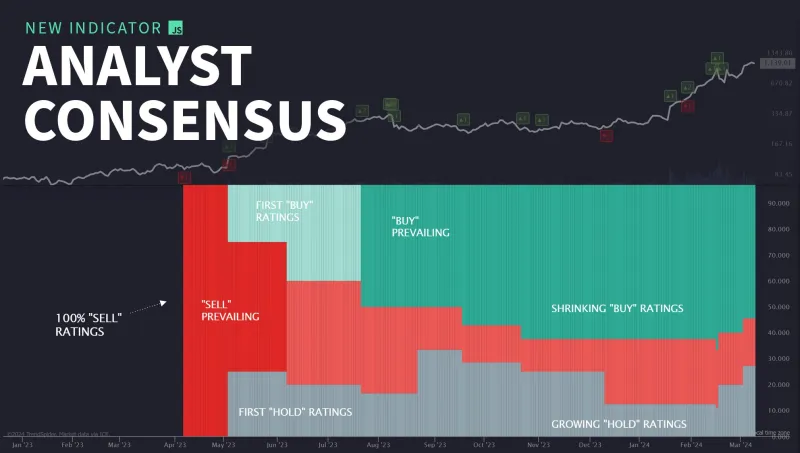
By the time most retail investors read an earnings preview, professional traders have already repositioned around the consensus estimate. Understanding how to detect when Wall Street's collective forecast is embedded in the current price—and where the real divergences lie—is the skill that separates reactive traders from those who act before the crowd catches on.

When Everyone Agrees, Nobody Is Right: Profiting from the Collapse of Market Consensus
Investor Psychology

When Everyone Agrees, Nobody Is Right: Profiting from the Collapse of Market Consensus

The moment Wall Street reaches near-total agreement on an outcome, the conditions for that outcome's failure are already forming. Understanding why consensus estimates break down — and how to position before the crowd reverses — is among the most durable edges available to disciplined investors.

Trapped by Thin Volume: What Low-Liquidity Stocks Really Cost You When It Matters Most
Trading Strategy

Trapped by Thin Volume: What Low-Liquidity Stocks Really Cost You When It Matters Most

Low-volume stocks can look perfectly tradeable on a calm afternoon — until the market turns and you discover your position has no exit. Understanding how liquidity evaporates under stress is one of the most underappreciated skills in retail investing, and the cost of ignoring it can be severe.

The Open Secret: How to Build a Pre-Market Intelligence System Using Publicly Available Data
Trading Strategy

The Open Secret: How to Build a Pre-Market Intelligence System Using Publicly Available Data

Professional investors do not operate on superior instincts — they operate on superior information pipelines. The documents, filings, and data streams that institutional analysts parse weeks before earnings season are available to any retail investor willing to look. This guide outlines how to construct your own early warning system from the ground up.

When Winners Stop Winning: Recognizing the Slow Deterioration of a Once-Great Position
Investor Psychology

When Winners Stop Winning: Recognizing the Slow Deterioration of a Once-Great Position

Every portfolio has them — positions that were once the source of genuine conviction and meaningful returns, now quietly dragging on performance while the investor rationalizes holding on. Understanding how winning trades decay, and developing the discipline to distinguish patience from denial, is one of the most critical and least discussed skills in long-term investing.

Why Your Strongest Convictions Underperform and Your Weakest Holdings Survive
Investor Psychology

Why Your Strongest Convictions Underperform and Your Weakest Holdings Survive

Most investors assume that stock selection is the primary driver of portfolio outcomes. The evidence suggests otherwise. How you size, enter, and manage positions—not which stocks you choose—determines whether your highest-conviction ideas generate returns or quietly erode capital.

Signal Before the Surprise: Decoding the Market Clues That Precede Major Earnings Moves
Trading Strategy

Signal Before the Surprise: Decoding the Market Clues That Precede Major Earnings Moves

Major earnings surprises rarely arrive without warning. Retail traders who know where to look can identify patterns in publicly available data—options flow, sentiment shifts, and supply chain signals—that institutional desks have quietly monitored for years. This guide breaks down those signals into a learnable, repeatable process.

The Numbers Are the Distraction: What Earnings Season Professionals Actually Trade On
Investor Psychology

The Numbers Are the Distraction: What Earnings Season Professionals Actually Trade On

When a company reports earnings, most retail investors fixate on whether the headline figures beat or missed consensus estimates. Professional investors are reading an entirely different document. Learning to interpret forward guidance and management tone — rather than backward-looking metrics — is one of the most underutilized edges available to the individual investor.

Fifty Stocks, One Risk: The Hidden Concentration Trap Inside 'Diversified' Portfolios
Trading Strategy

Fifty Stocks, One Risk: The Hidden Concentration Trap Inside 'Diversified' Portfolios

Holding dozens of stocks does not guarantee protection from concentrated risk. Many retail investors mistake quantity for genuine diversification, unknowingly building portfolios that behave like a single, leveraged bet. Understanding how professionals measure true portfolio resilience can mean the difference between weathering a downturn and absorbing a catastrophic loss.